by Bradley Trees | Jul 3, 2025 | Arborist, Arborist Buffalo NY, Tree Care WNY, Tree Consulting, Tree Pruning, Uncategorized
We’re currently in a time of year when it’s not normally considered the best time to have trees pruned. It’s a process of selectively removing parts of the tree, usually branches, to improve its health, structure, or appearance. Given that this time of the year...
by Bradley Trees | Jun 24, 2025 | Arborist, Arborist Buffalo NY, Education, Oak Tree Care WNY, Tree Education, Tree Removal Buffalo NY, Tree Removal WNY
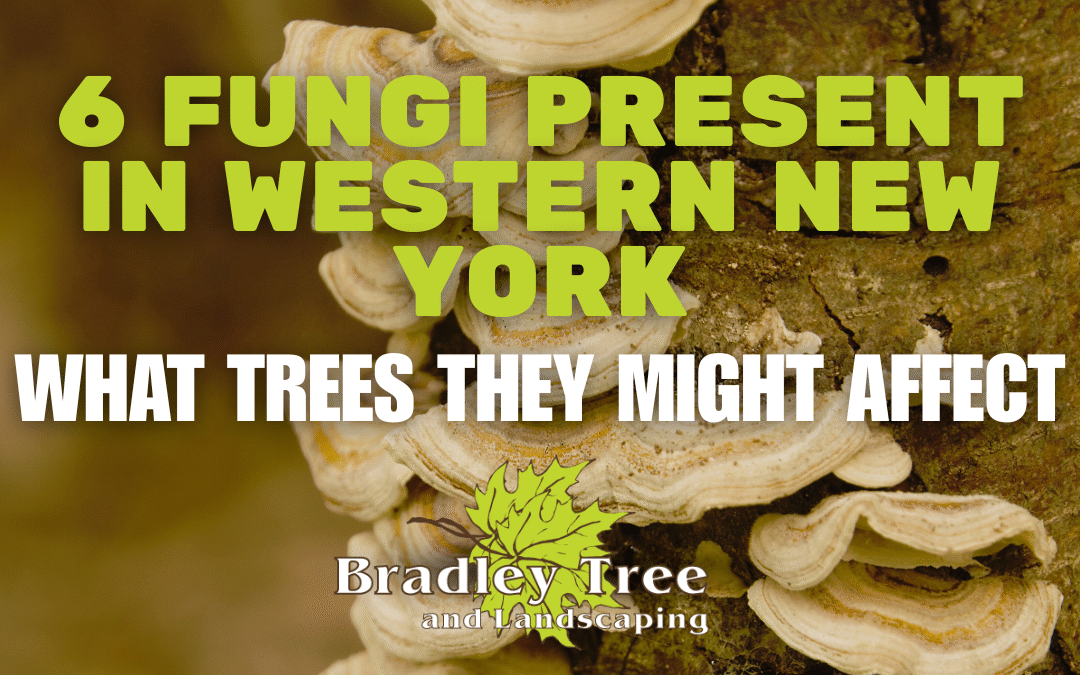
Fungi growing on a tree often indicate that the tree is decaying or diseased, and when that happens, they carry with them many of the same risks as dead trees. This type of scenario must be examined and addressed if the tree is to be removed. In this blog, we are...

by Bradley Trees | Jun 4, 2025 | Arborist, Arborist Buffalo NY, Tree Consulting, Tree Removal Buffalo NY, Tree Removal Rules, Tree Removal WNY
It may seem like a simple task to just call a tree company to have them remove a tree for you. That may be the case in most scenarios, but it’s important to know this can be different if the tree is on public property belonging to the town, village, or city that you...
by Bradley Trees | May 23, 2025 | Arborist, Arborist Buffalo NY, Emergency Tree Removal, Tree Education, Tree Removal Buffalo NY, Tree Removal WNY
At Bradley Tree, tree removal is one of our specialties. We can recognize instantly when you need that removal, no matter the circumstances that call for the tree(s) to be removed. Summertime might offer many conditions that might affect trees enough that you will...

by Bradley Trees | May 13, 2025 | Arborist, Arborist Buffalo NY, Pest Control, Tree Care WNY, Tree Consulting, Tree Disease Prevention, Tree Education, Tree Sprays, WNY Tree Tips for Spring
With the weather now starting to heat up, it’s that time of the year when your trees begin to experience negative effects. We think of summer as a time when trees thrive, growing green and bright, but some negative effects come from invasive insects feeding off them...